Open Source
GitHubHypergraph & AI Infrastructure
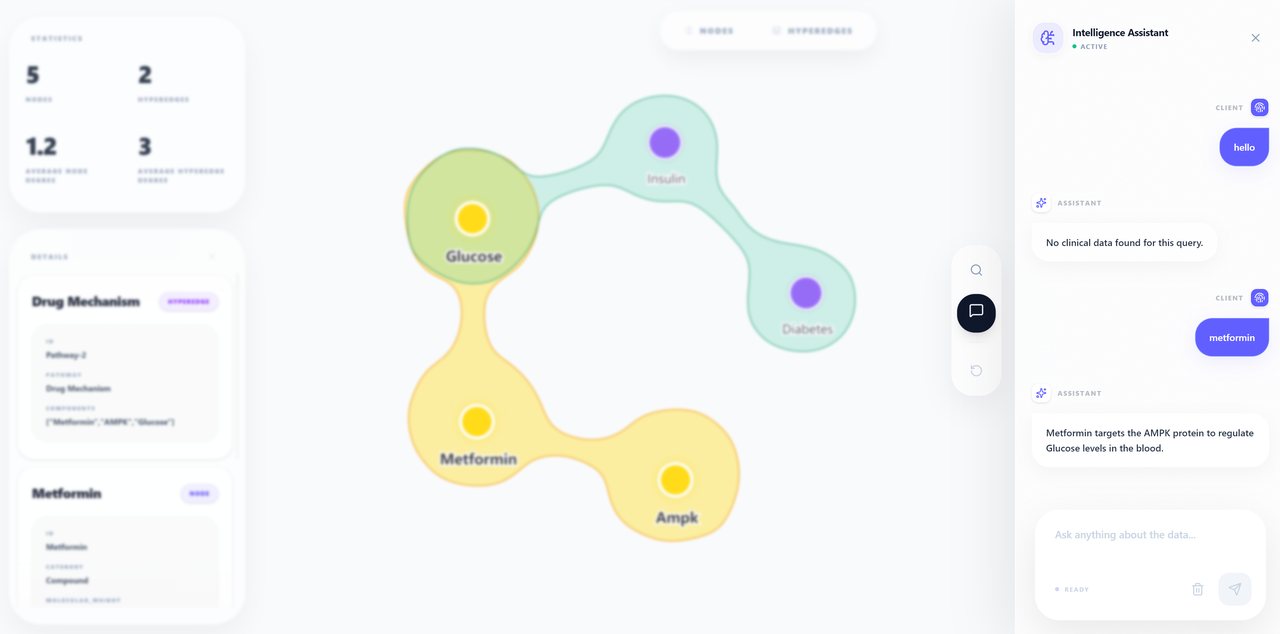
An LLM-powered knowledge extraction and evolution framework: transform unstructured documents into persistent, strongly-typed Knowledge Abstracts with one command — from simple collections and Pydantic models to knowledge graphs, hypergraphs, and even spatio-temporal graphs. Ships with 10+ extraction engines (GraphRAG, LightRAG, Hyper-RAG, KG-Gen, etc.), 80+ zero-code YAML templates, incremental evolution, and Obsidian export. It ranked 2nd on GitHub Trending worldwide.

DeepHypergraph (DHG) 870+ Stars
The first hypergraph computation toolbox: a PyTorch-based deep learning library for graph and hypergraph neural networks, supporting both low-order and high-order message passing (vertex-to-vertex, vertex-to-hyperedge, hyperedge-to-vertex, vertex-set-to-vertex-set, etc.), with a built-in Auto-ML module for automatic hyperparameter tuning. It has been downloaded 50,000+ times and used by 200+ institutions across 24 countries.
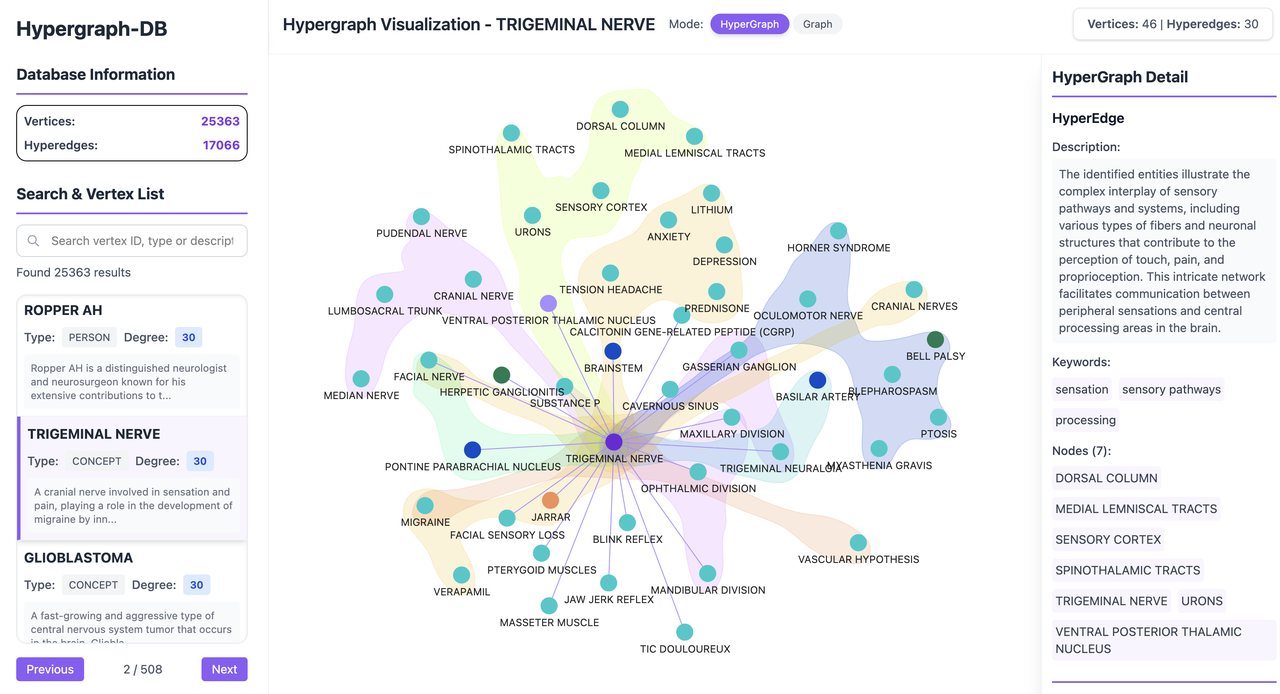
Hypergraph-DB PyPI
A lightweight hypergraph database with built-in hypergraph visualization: native storage and querying of high-order relations, designed as the persistence layer for hypergraph-structured knowledge.
ontomem PyPI
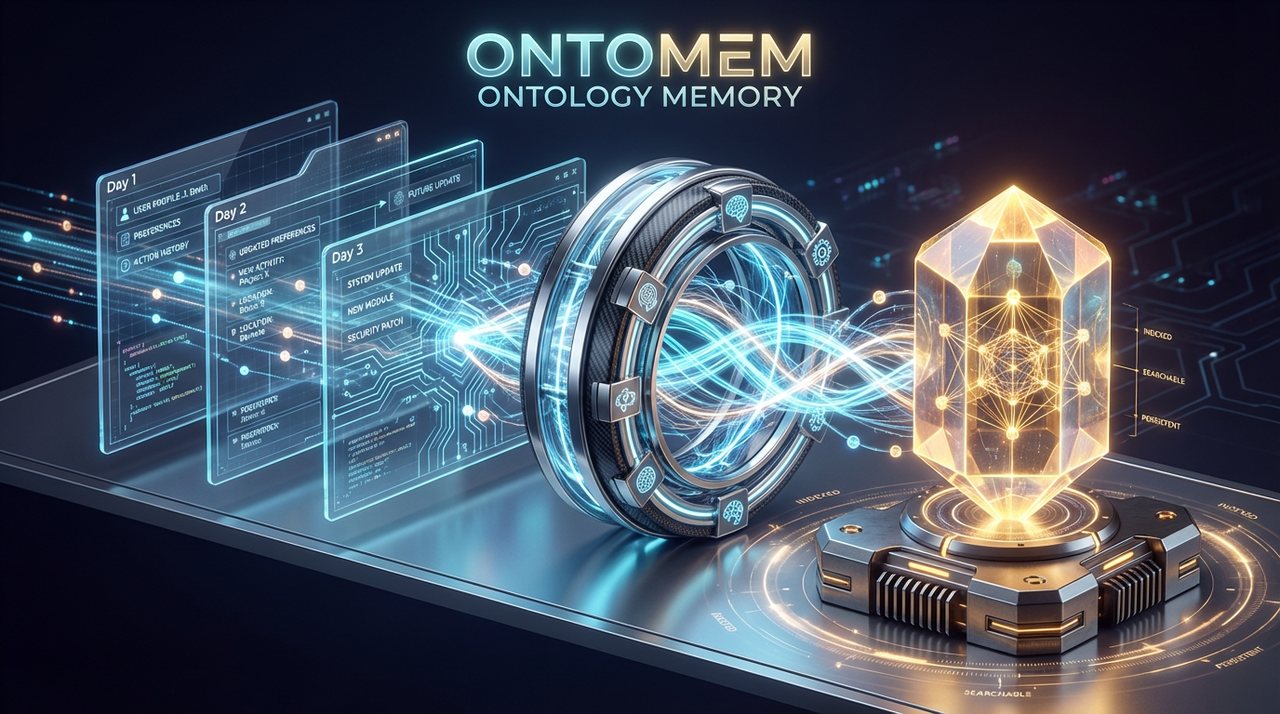
A self-consolidating semantic memory layer for AI agents: schema-first design with Pydantic, intelligent deduplication, and FAISS vector search — agent memory that organizes itself.
Digital Pathology Tools
kfbslide PyPI
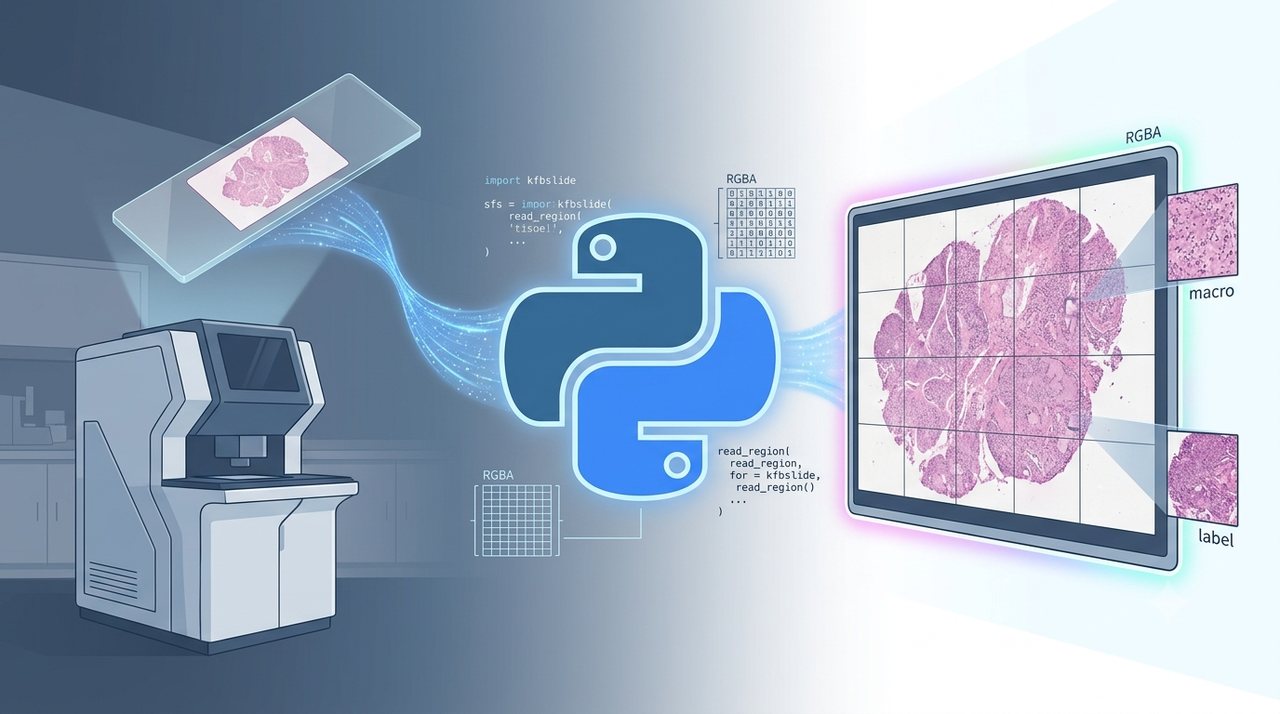
A pure-Python reader for KFB (KFBio) digital pathology slides with a fully OpenSlide-compatible API — drop-in replacement for OpenSlide on KFB whole-slide images, no native dependencies.
mrxsslide PyPI
A pure-Python reader for MRXS (3DHISTECH MIRAX) whole-slide images with an OpenSlide-compatible API, enabling cross-platform access to MIRAX slides without vendor SDKs.

hisalign PyPI
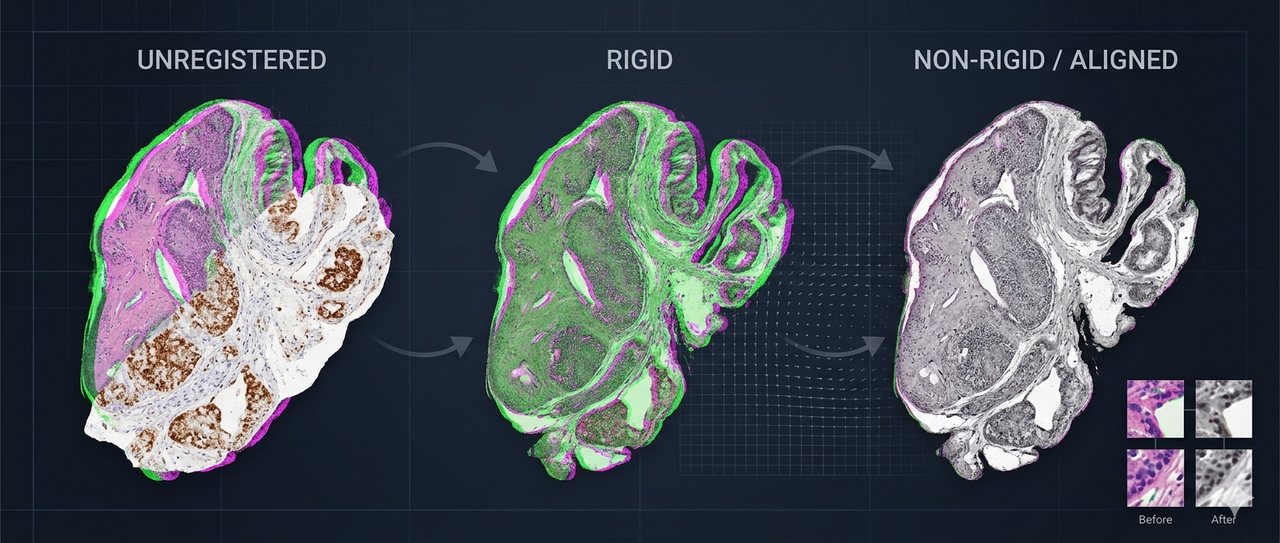
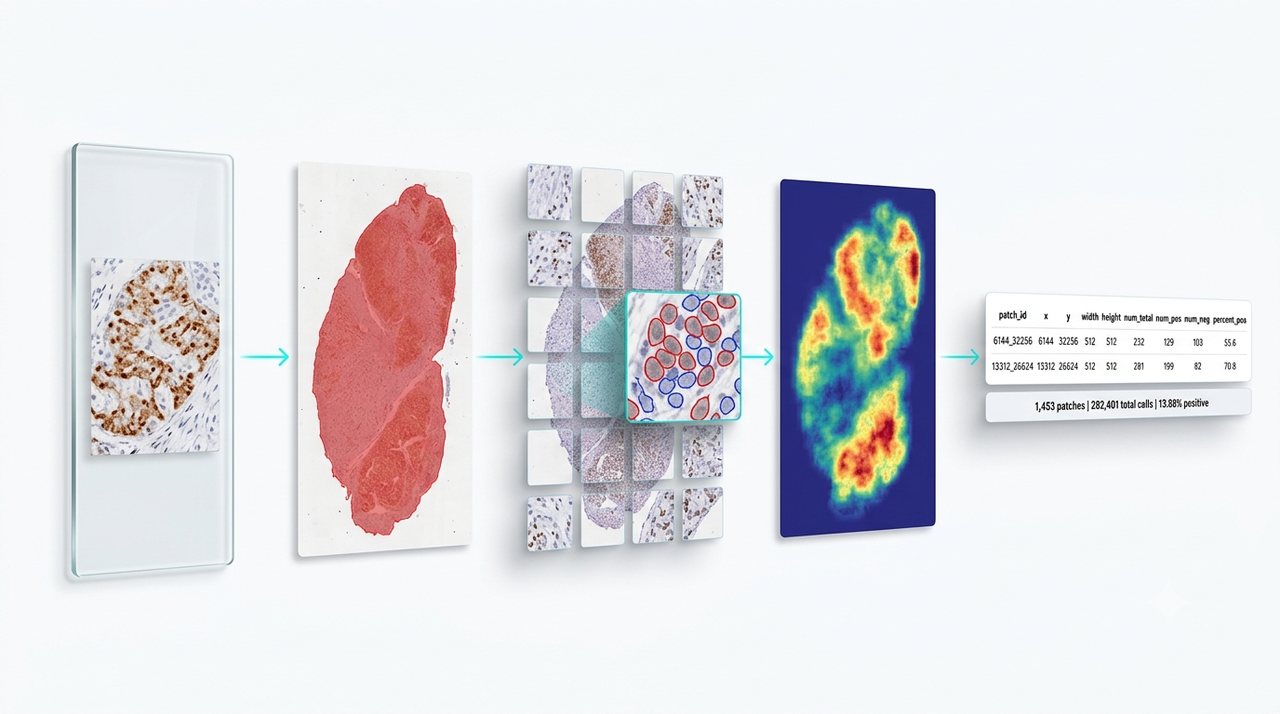
Whole-slide image alignment for H&E and multiplex IHC markers: a rigid + non-rigid registration pipeline that aligns multi-stain WSIs at gigapixel scale for spatially-resolved tumor microenvironment analysis.
Datasets
Open-Set 3D Retrieval OS-MN40 & OS-MN40-Miss SHREC'22 Track
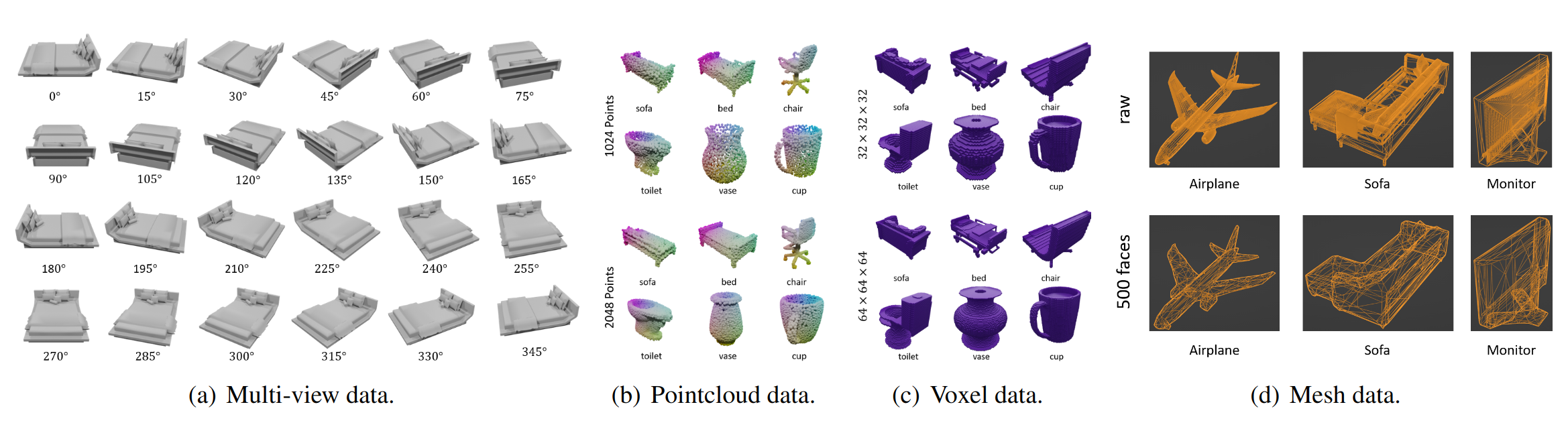
Open-set 3D object retrieval datasets built upon ModelNet40, released at the SHREC'22 Track: Open-Set 3D Object Retrieval. OS-MN40 contains 12,309 objects from 40 categories, each with multi-resolution representations in four modalities (point cloud, voxel, multi-view, and mesh); OS-MN40-Miss targets the missing-modality problem, where each modality of an object is randomly dropped with a probability of 0.4.
OS-ESB-core / OS-NTU-core / OS-MN40-core
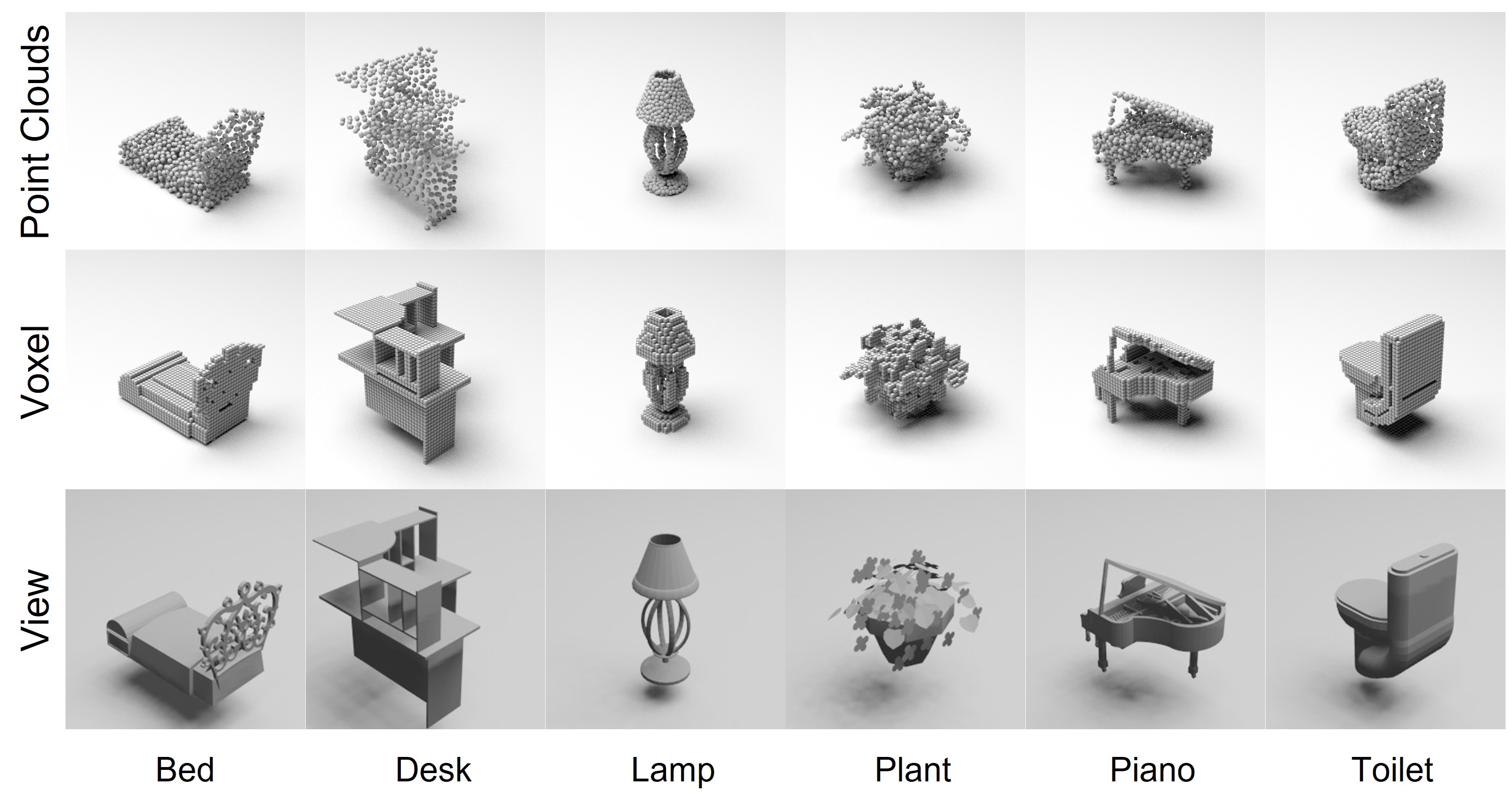
Three open-set 3D object retrieval datasets. Each object includes three modalities: multi-view images (256×256), point clouds, and voxels (.ply, extracted with Open3D).
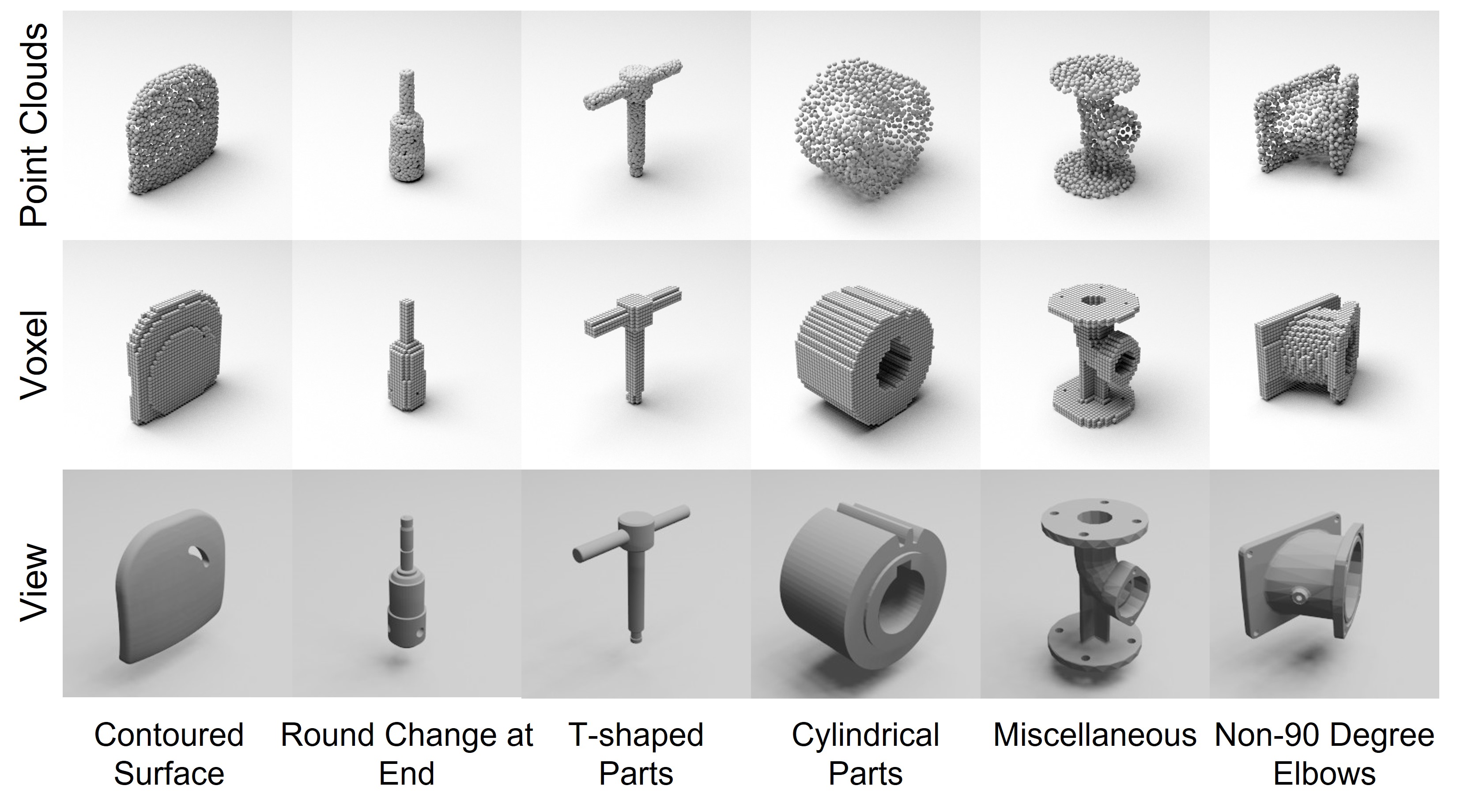
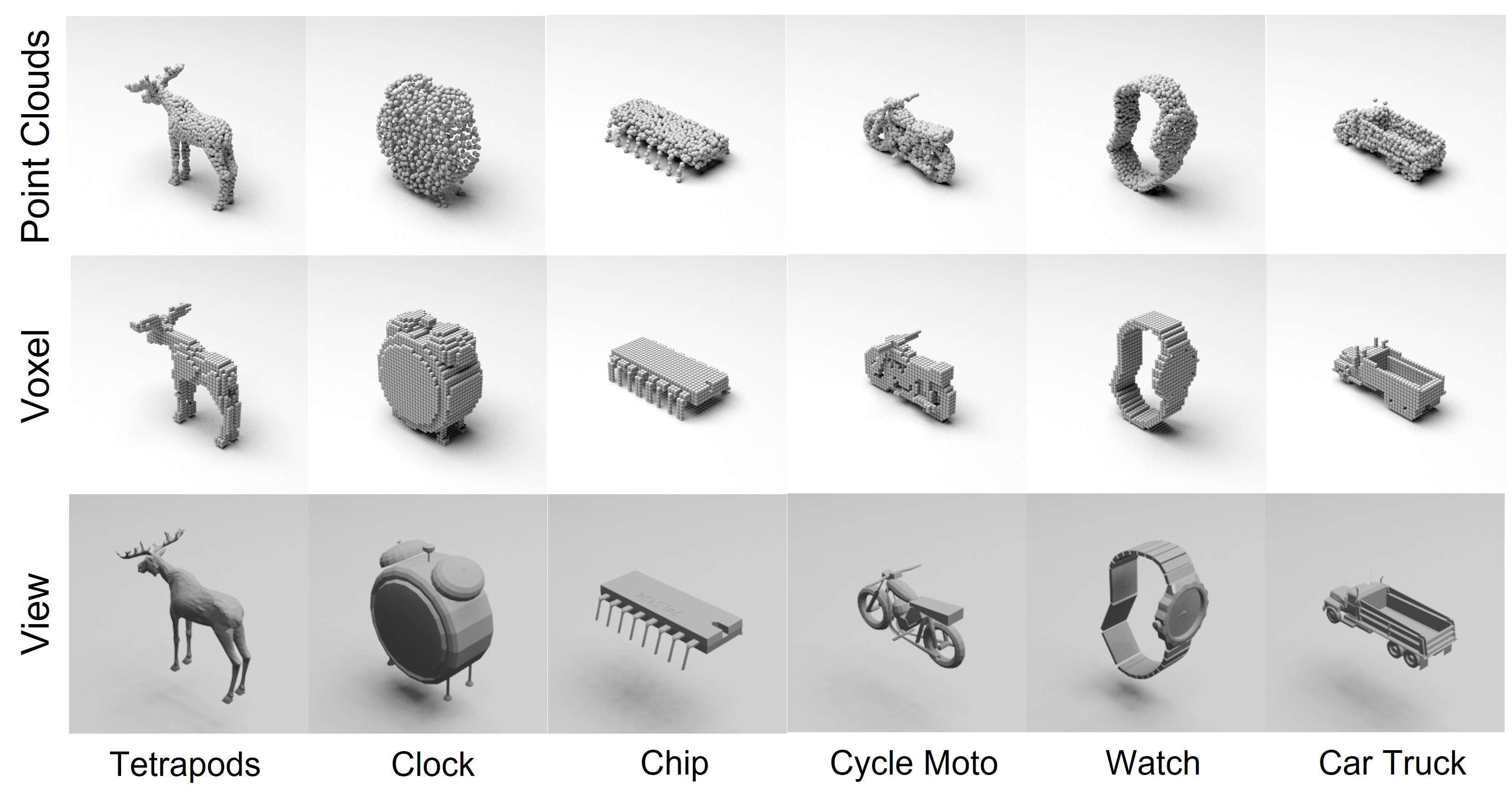
OS-ESB-core 41 categories of engineering shapes ~100M
OS-NTU-core 67 categories ~260M
OS-MN40-core 40 categories ~1.9G